{
Single Blogs
}
{
Single Blogs
}
{
Single Blogs
}
Exploring the Dance of Light and Shadow Forms
Date:
January 9, 2026
Date:
January 9, 2026
/
Category:
Lighting Techniques
Category:
Lighting Techniques
Date:
January 9, 2026
/
Category:
Lighting Techniques


Light & Shadow
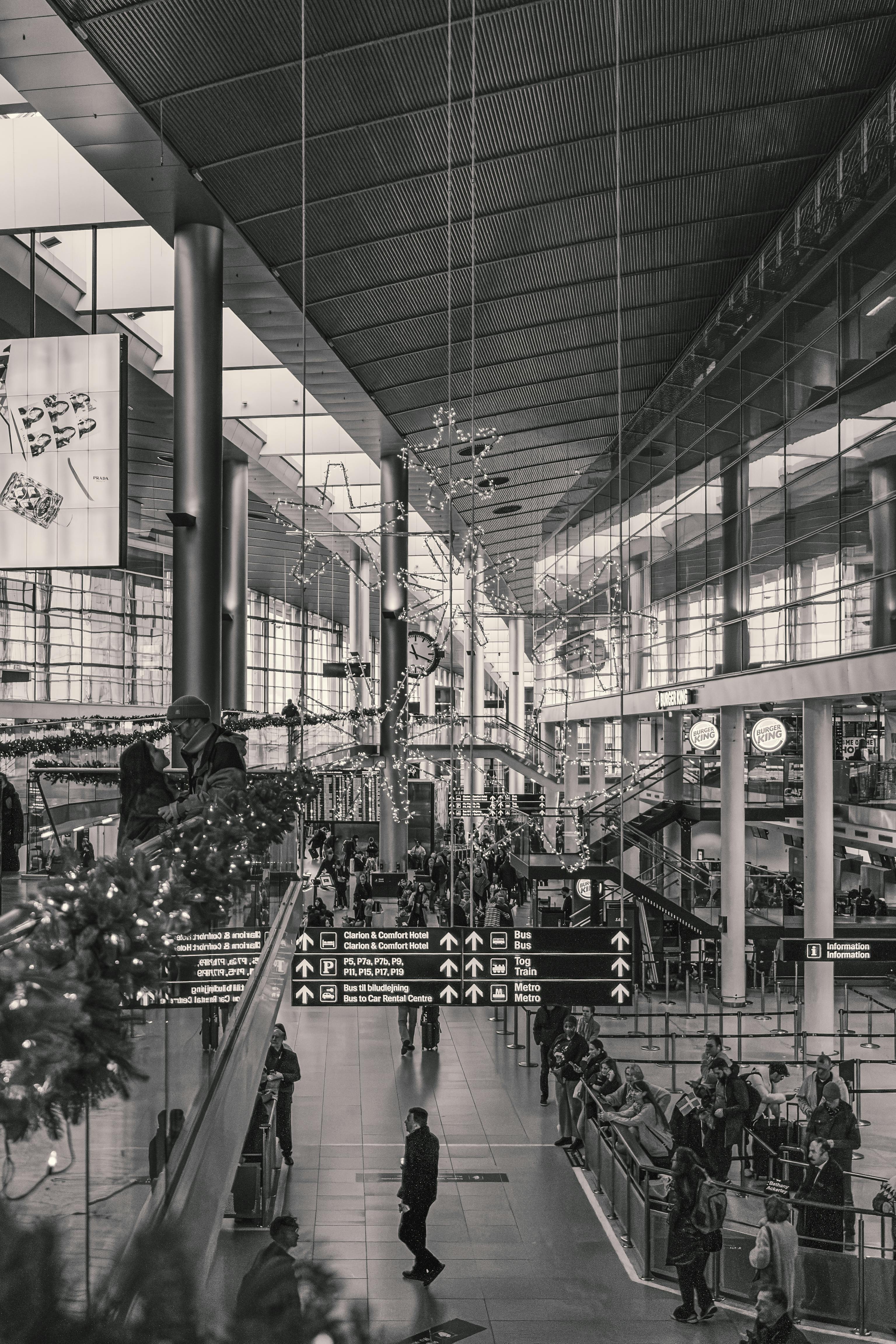
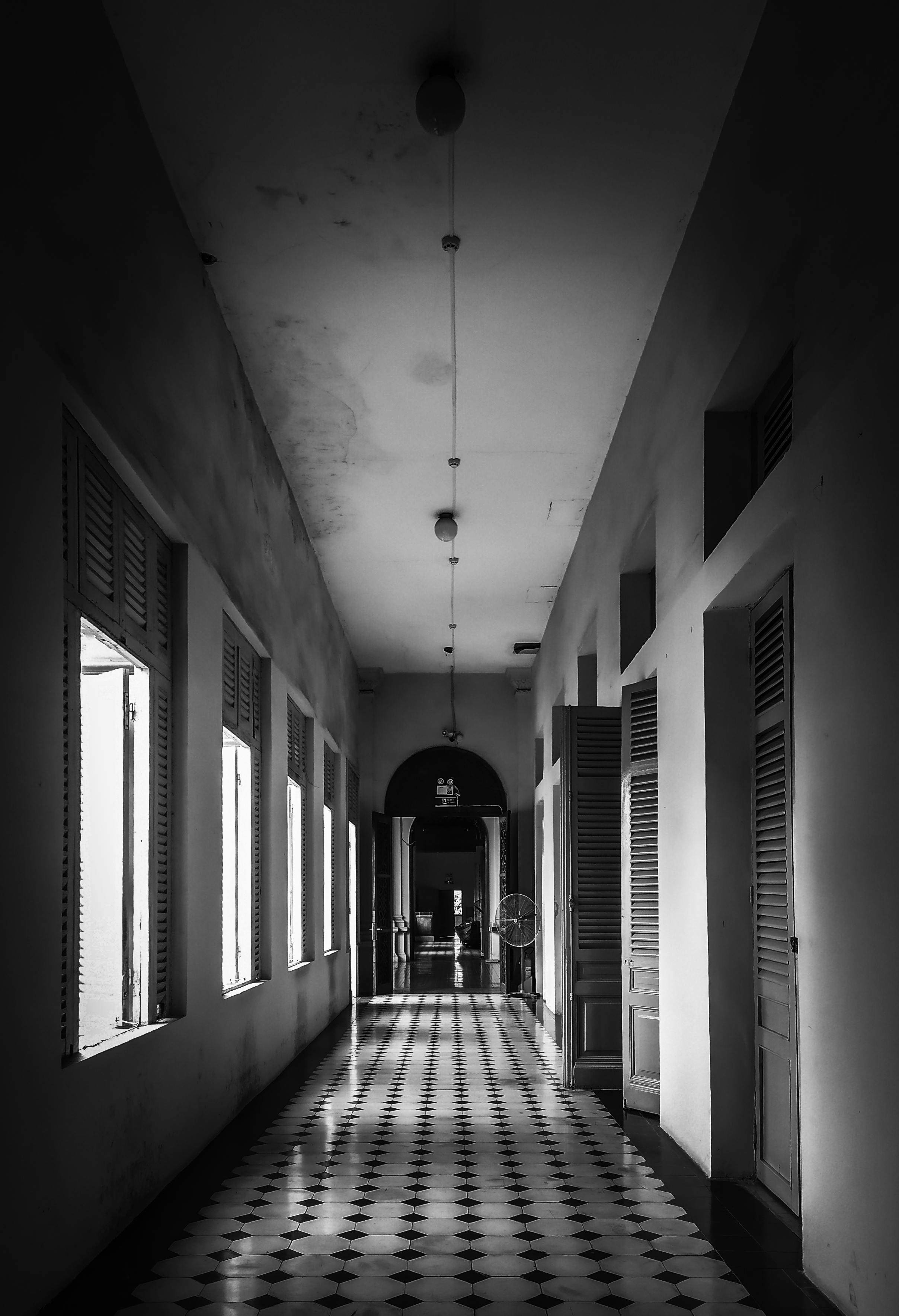
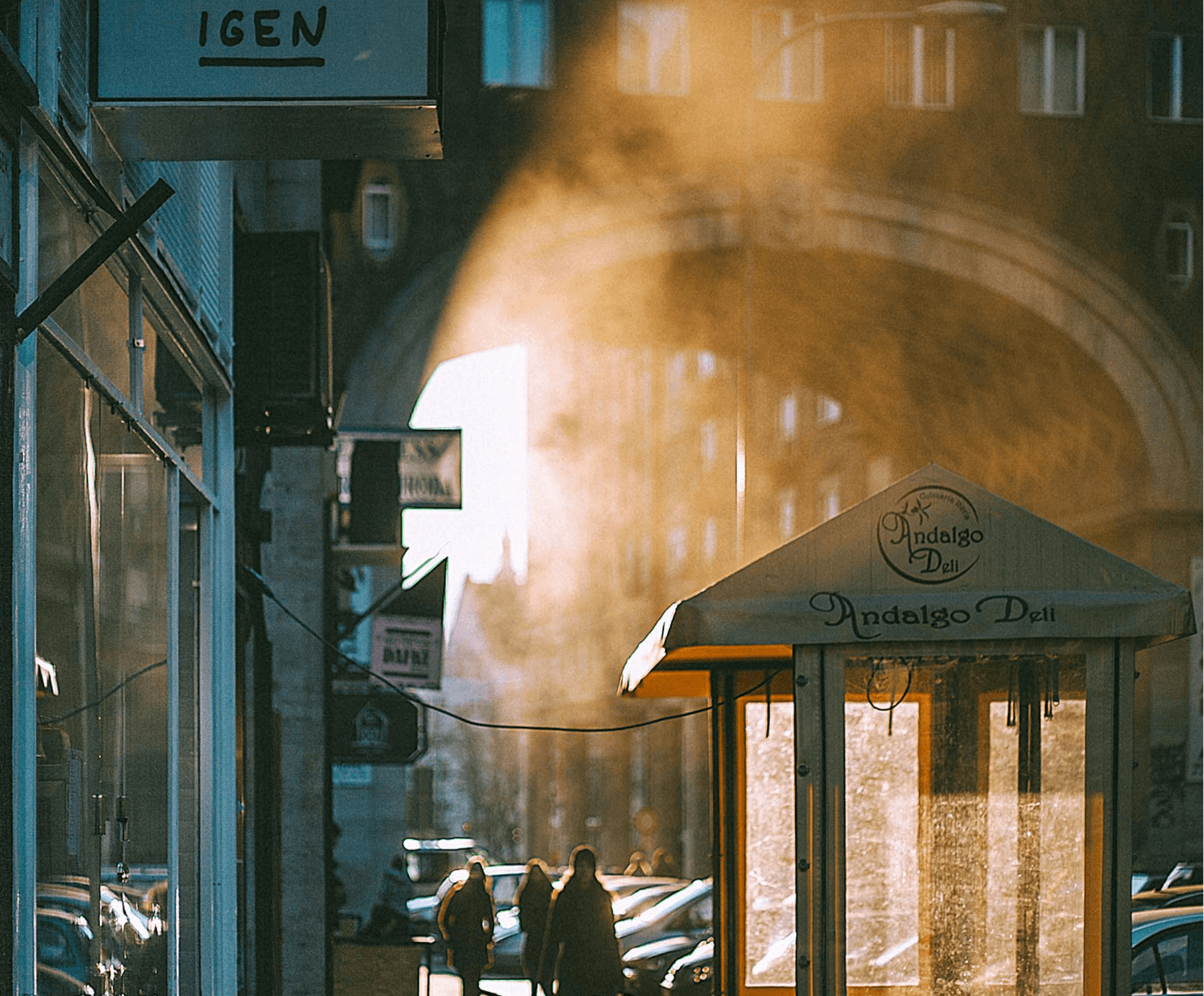
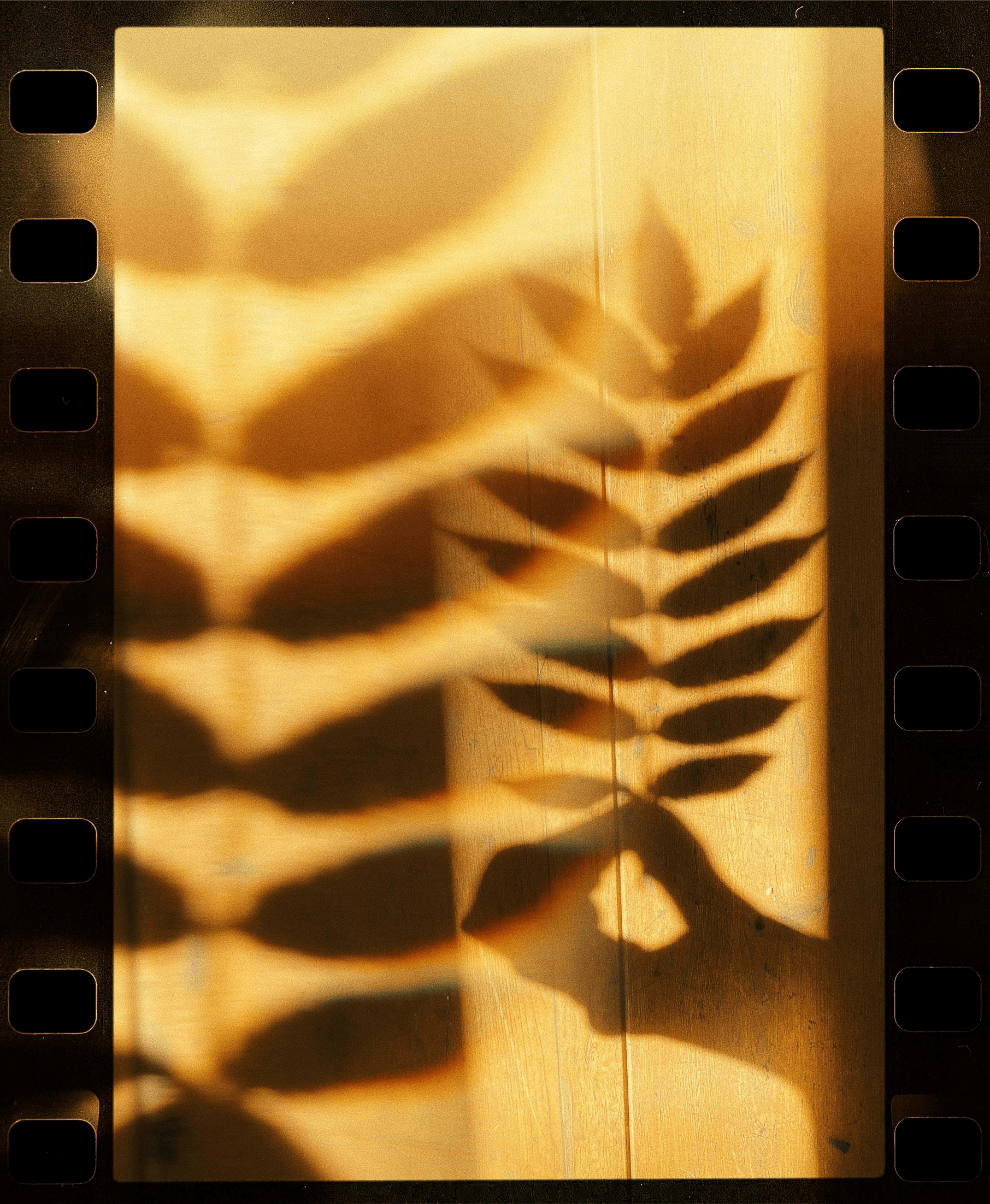
Light and shadow exist in constant dialogue, shaping how we perceive a scene. A sunbeam falling through a window, a silhouette cast on a wall, or the gentle gradient of evening light transforms ordinary spaces into visual poetry. By observing how light interacts with surfaces, textures, and objects, we begin to see the hidden rhythm and emotion within every frame.
In photography, the interplay of light and shadow becomes a storytelling tool. Shadows can create mystery, depth, and texture, while light can highlight subtle details, emotion, or movement. Each frame is a conversation between illumination and darkness, allowing us to craft imagery that feels alive and evocative without relying on props or subjects with subtlety.
The same principle applies to writing about visual storytelling. By noticing contrasts, patterns, and transitions, even the simplest moments gain depth and narrative weight. Light and shadow are not just visual elements — they are emotional cues, guiding the viewer through a scene and inviting them to feel the story within.
Light & Shadow
Light and shadow exist in constant dialogue, shaping how we perceive a scene. A sunbeam falling through a window, a silhouette cast on a wall, or the gentle gradient of evening light transforms ordinary spaces into visual poetry. By observing how light interacts with surfaces, textures, and objects, we begin to see the hidden rhythm and emotion within every frame.
In photography, the interplay of light and shadow becomes a storytelling tool. Shadows can create mystery, depth, and texture, while light can highlight subtle details, emotion, or movement. Each frame is a conversation between illumination and darkness, allowing us to craft imagery that feels alive and evocative without relying on props or subjects with subtlety.
The same principle applies to writing about visual storytelling. By noticing contrasts, patterns, and transitions, even the simplest moments gain depth and narrative weight. Light and shadow are not just visual elements — they are emotional cues, guiding the viewer through a scene and inviting them to feel the story within.


Contrasting Elements
Light and shadow shape the story within every frame. Their interaction creates depth, mood, and emotion, transforming ordinary scenes into visual narratives that capture attention and imagination.
Visual Rhythm
Shadows can conceal while light reveals, guiding the viewer’s eye and evoking feeling. Observing this delicate balance allows photography to tell stories without words, where contrast becomes the silent language of imagery.
Contrasting Elements
Light and shadow shape the story within every frame. Their interaction creates depth, mood, and emotion, transforming ordinary scenes into visual narratives that capture attention and imagination.
Visual Rhythm
Shadows can conceal while light reveals, guiding the viewer’s eye and evoking feeling. Observing this delicate balance allows photography to tell stories without words, where contrast becomes the silent language of imagery.
{
Blog
}
{
Blog
}
{
Blog
}