{
project details
}
{
project details
}
Visual Pathways
Visual Pathways

Year:
2025
Year:
2025
Category:
Black & White Photography
Category:
Black & White Photography
Location:
Historic Streets
Location:
Historic Streets
Style:
Gritty, High-Contrast, Moody
Style:
Gritty, High-Contrast, Moody


Extended Introduction
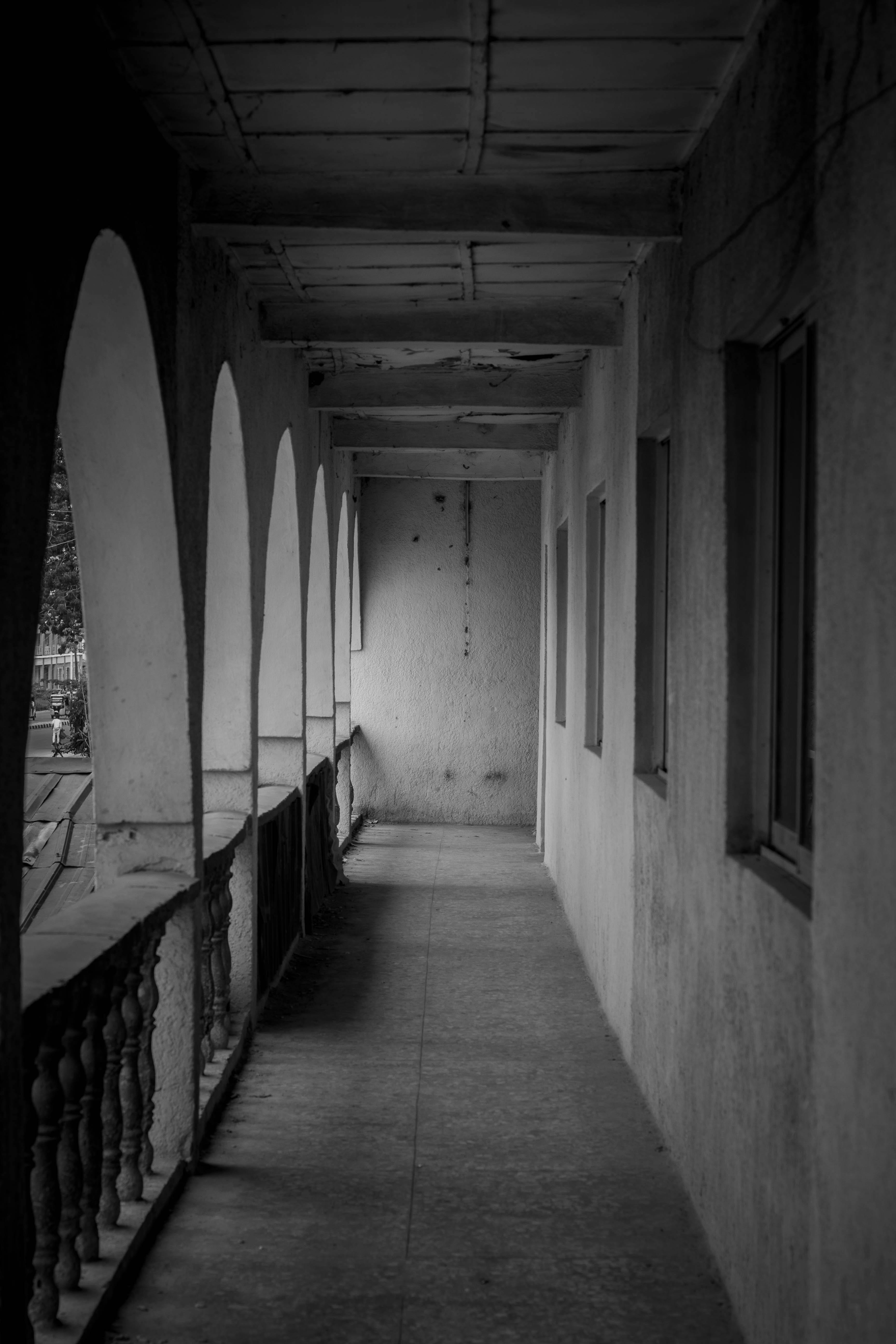
Visual Pathways is a visual exploration of movement, perspective, and the subtle guidance of space. In environments where lines and forms guide the eye, this project slows perception — inviting the viewer to follow paths created by light, shadow, and structure. Each frame becomes a moment to observe, to reflect, and to feel. Through careful composition, directional lighting, and intentional framing, the series reveals the quiet narratives hidden within spatial flow.
This project is more than a study of pathways; it is an examination of how structure directs attention, how light defines direction, and how still spaces can guide the viewer’s gaze intentionally.
The Vision Behind the Project
How does a space communicate movement when nothing is moving?
Pathways are often overlooked in our rush — corridors, lines, and angles exist, yet go unnoticed. When observed with attention, they reveal rhythm, flow, and a subtle directionality. Light and shadow emphasize movement even in stillness.
I aimed to capture that experience — spaces that guide the eye through stillness. Every photograph in Visual Pathways invites the viewer to follow these silent directions and discover the emotion embedded in spatial design.
Extended Introduction
Visual Pathways is a visual exploration of movement, perspective, and the subtle guidance of space. In environments where lines and forms guide the eye, this project slows perception — inviting the viewer to follow paths created by light, shadow, and structure. Each frame becomes a moment to observe, to reflect, and to feel. Through careful composition, directional lighting, and intentional framing, the series reveals the quiet narratives hidden within spatial flow.
This project is more than a study of pathways; it is an examination of how structure directs attention, how light defines direction, and how still spaces can guide the viewer’s gaze intentionally.
The Vision Behind the Project
How does a space communicate movement when nothing is moving?
Pathways are often overlooked in our rush — corridors, lines, and angles exist, yet go unnoticed. When observed with attention, they reveal rhythm, flow, and a subtle directionality. Light and shadow emphasize movement even in stillness.
I aimed to capture that experience — spaces that guide the eye through stillness. Every photograph in Visual Pathways invites the viewer to follow these silent directions and discover the emotion embedded in spatial design.
Visual Pathways
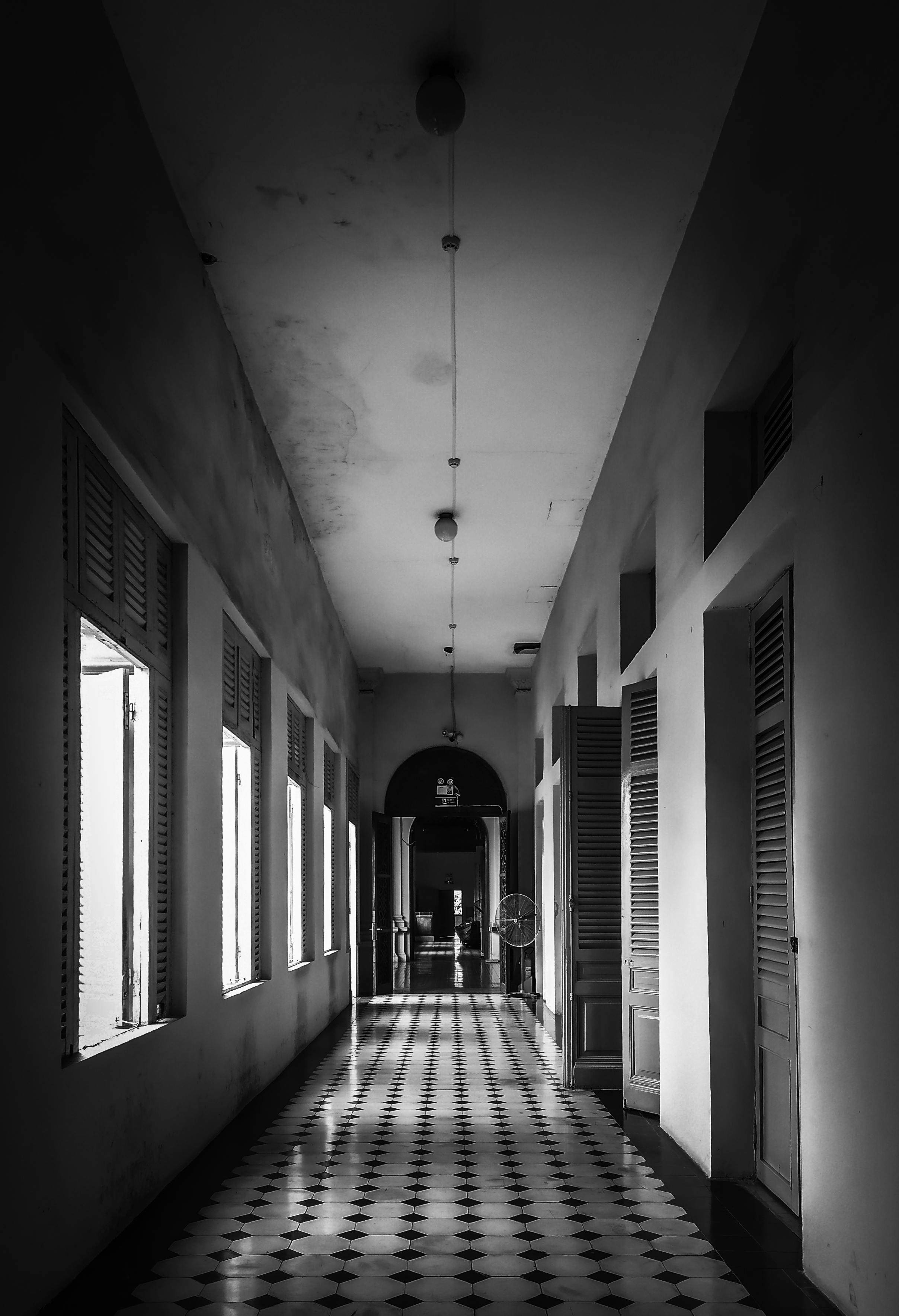
Begin by identifying natural lines, light flow, and directions that guide the viewer’s eye through the scene.
Ask the client about the story, mood, and key areas they want emphasized along these pathways.
Always prepare 2–3 alternative angles or compositions to ensure the flow is clear and visually engaging.
Visual Pathways
Begin by identifying natural lines, light flow, and directions that guide the viewer’s eye through the scene.
Ask the client about the story, mood, and key areas they want emphasized along these pathways.
Always prepare 2–3 alternative angles or compositions to ensure the flow is clear and visually engaging.
Guided by Light
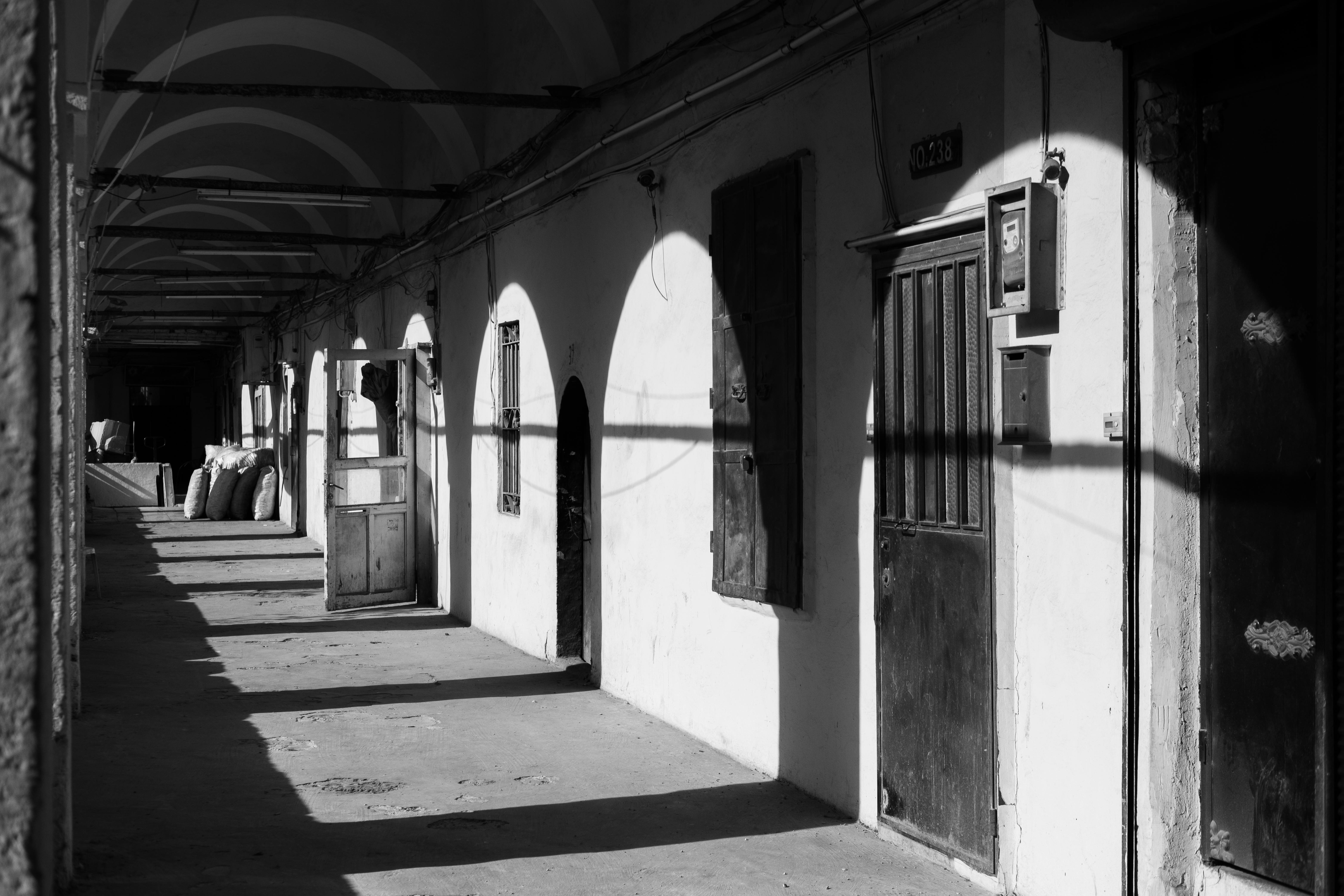
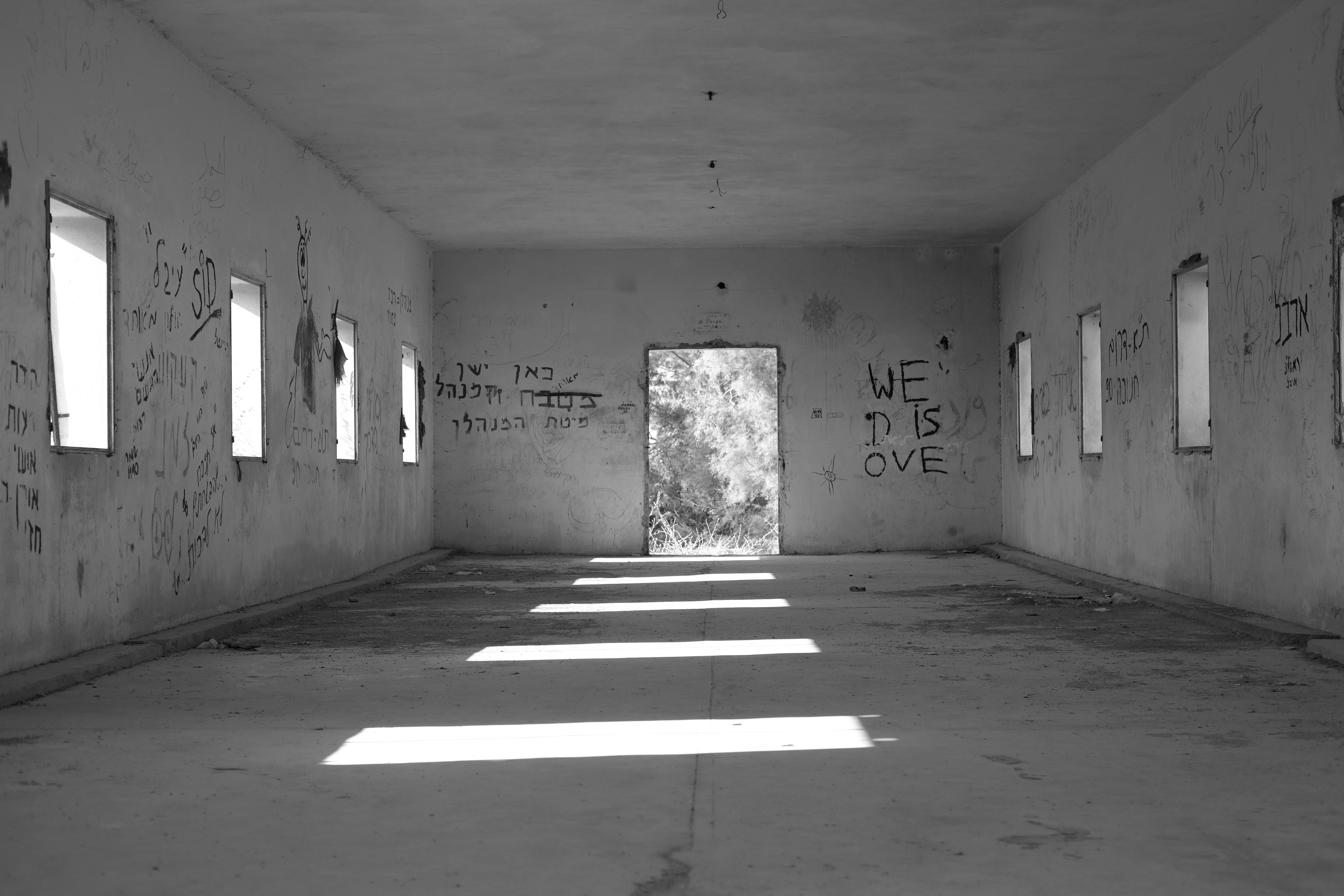
Working on Visual Pathways changed how I see movement and flow within spaces. Lines, angles, and light guide the eye naturally — each frame captures a journey waiting to be explored. It taught me that pathways don’t need motion to tell a story; direction, rhythm, and perspective alone can convey narrative and emotion.
This project is a reminder to follow the visual cues, observe carefully, and let spaces guide the viewer through their story.
Guided by Light
Working on Visual Pathways changed how I see movement and flow within spaces. Lines, angles, and light guide the eye naturally — each frame captures a journey waiting to be explored. It taught me that pathways don’t need motion to tell a story; direction, rhythm, and perspective alone can convey narrative and emotion.
This project is a reminder to follow the visual cues, observe carefully, and let spaces guide the viewer through their story.