{
project details
}
{
project details
}
{
project details
}
Visual Pathways
Visual Pathways


Year:
2025
Year:
2025
Category:
Street Photography
Category:
Street Photography
Location:
Downtown Streets
Location:
Downtown Streets
Style:
Gritty, Minimal, High-Contrast
Style:
Gritty, Minimal, High-Contrast
Extended Introduction
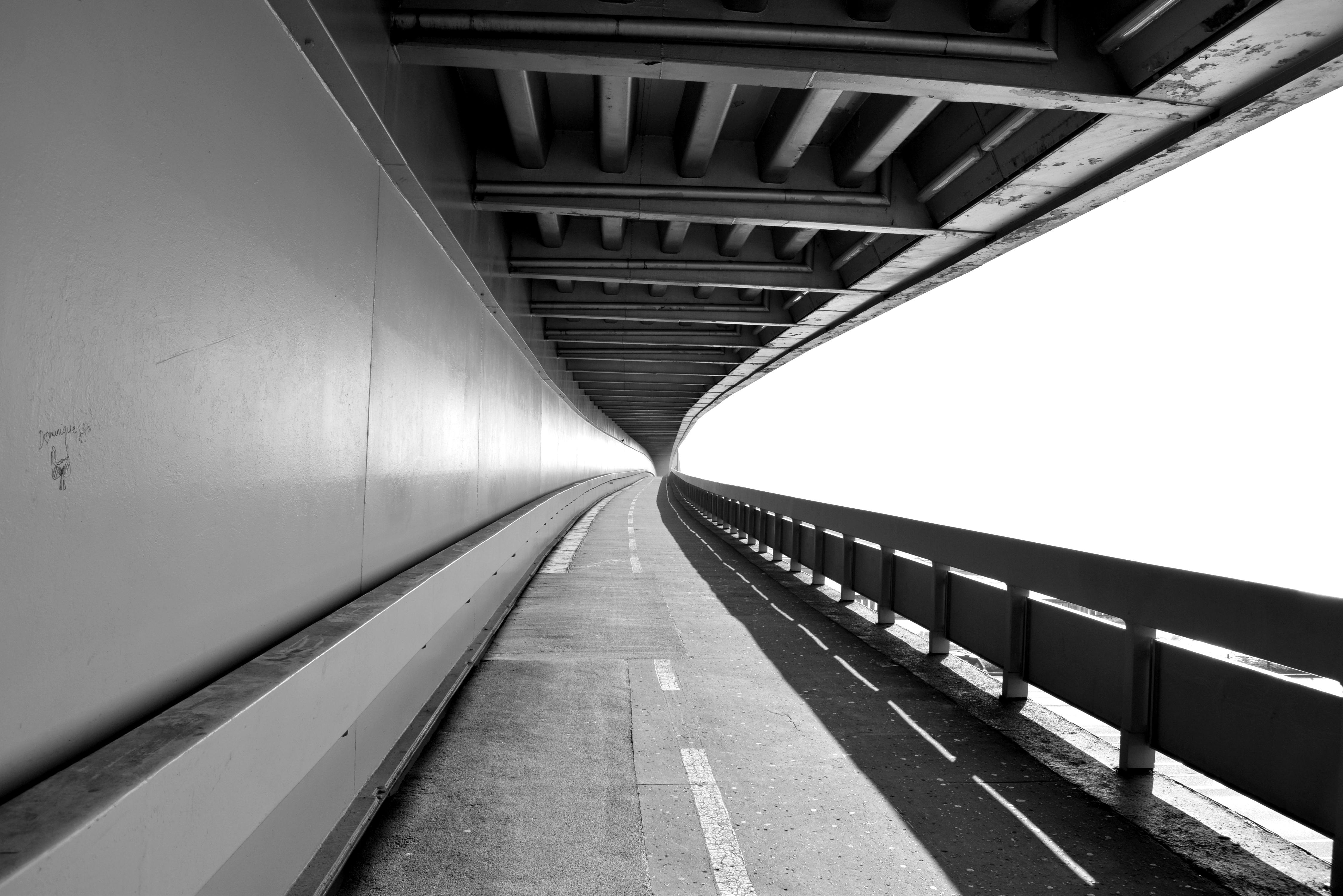
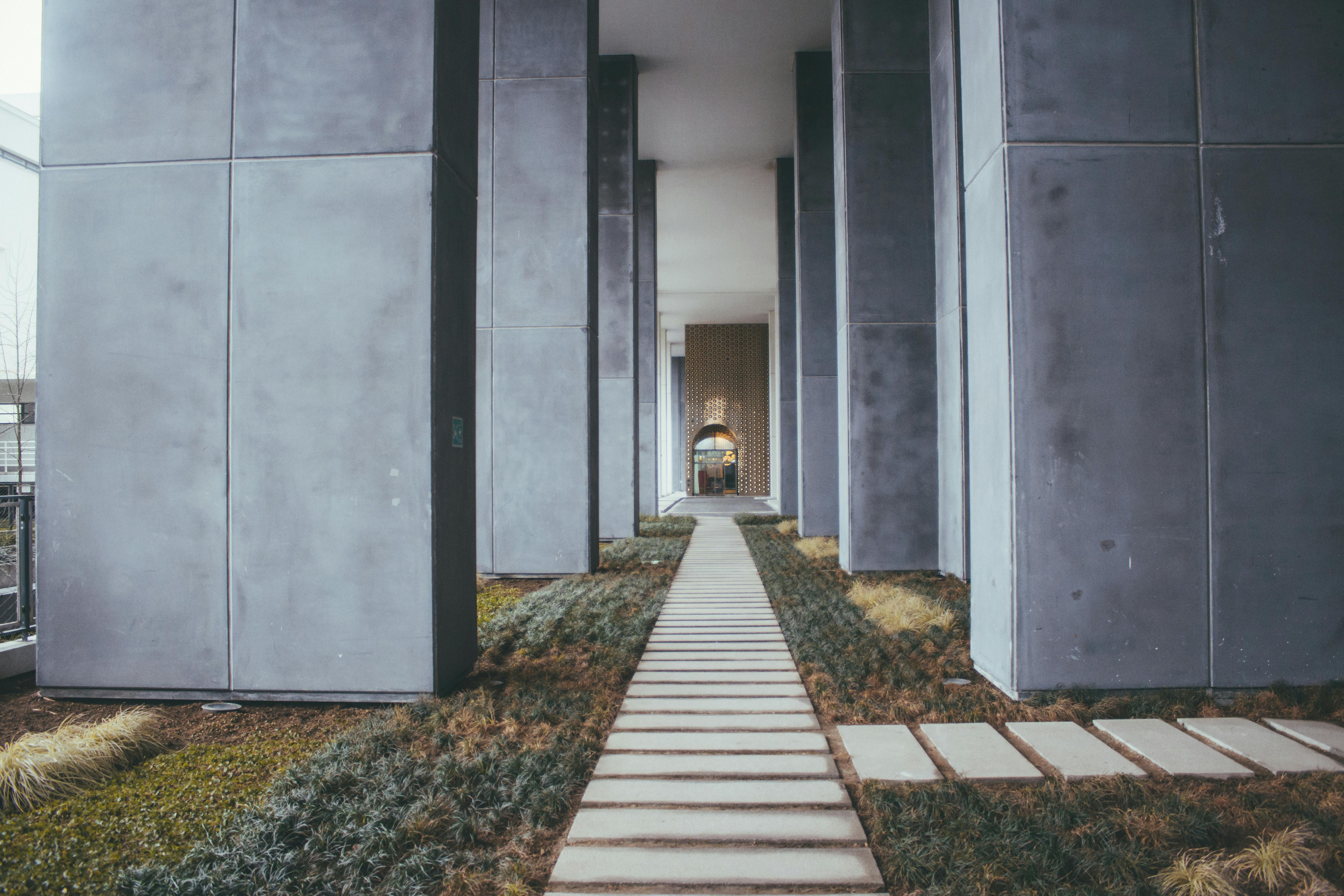
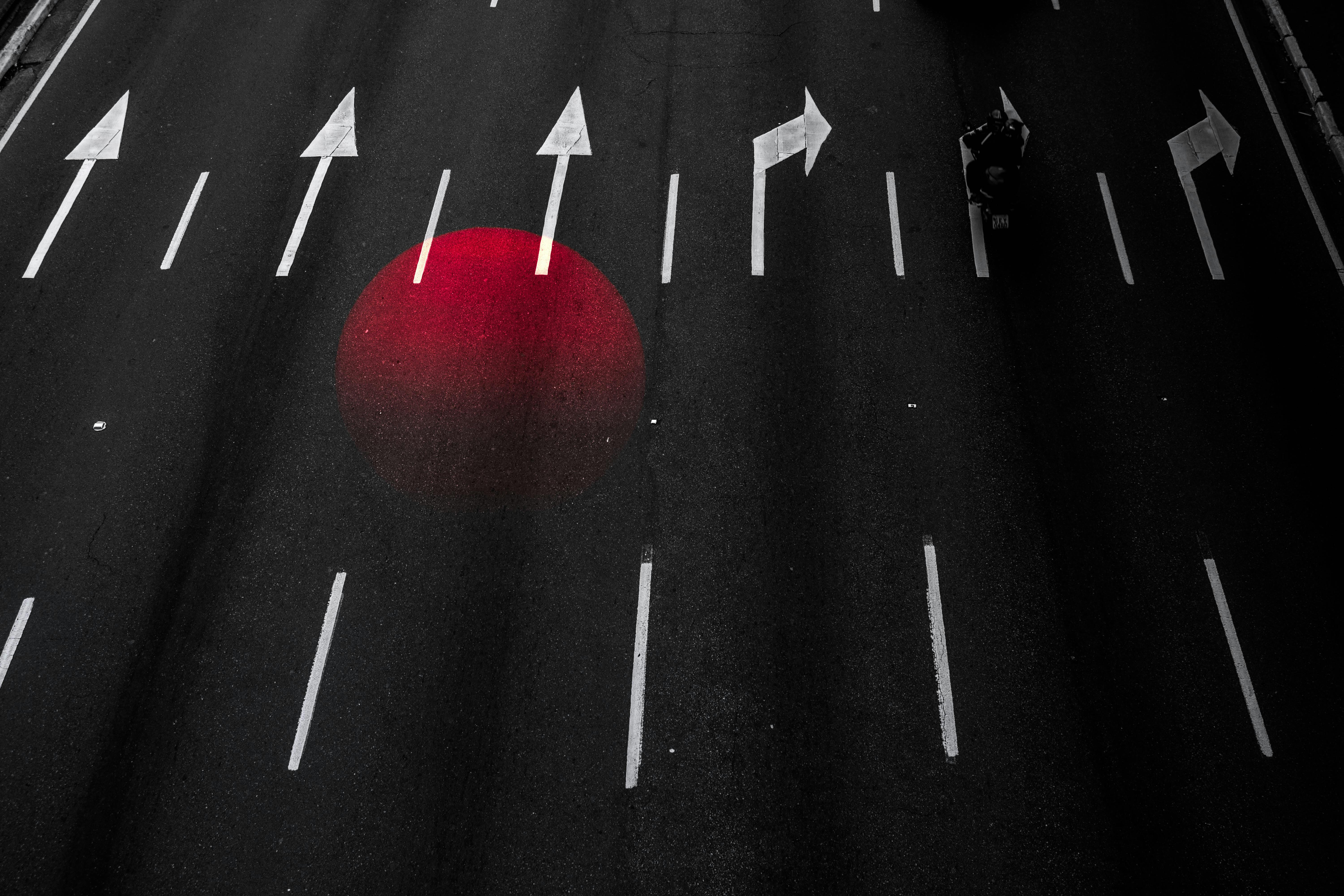
Visual Pathways explores the subtle movement of the eye through space, composition, and light. In a world filled with visual noise and constant stimulation, this project slows perception — inviting the viewer to follow lines, shadows, and forms with intention. Each frame becomes a guided journey to observe, to pause, and to connect. Through directional light, open spaces, and thoughtful framing, the series encourages a deeper awareness of how we navigate quiet environments.
This project goes beyond visual documentation; it examines how space guides attention, how light creates direction, and how still environments quietly shape the way we see and feel.
The Vision Behind the Project
How does the eye travel when nothing demands urgency?
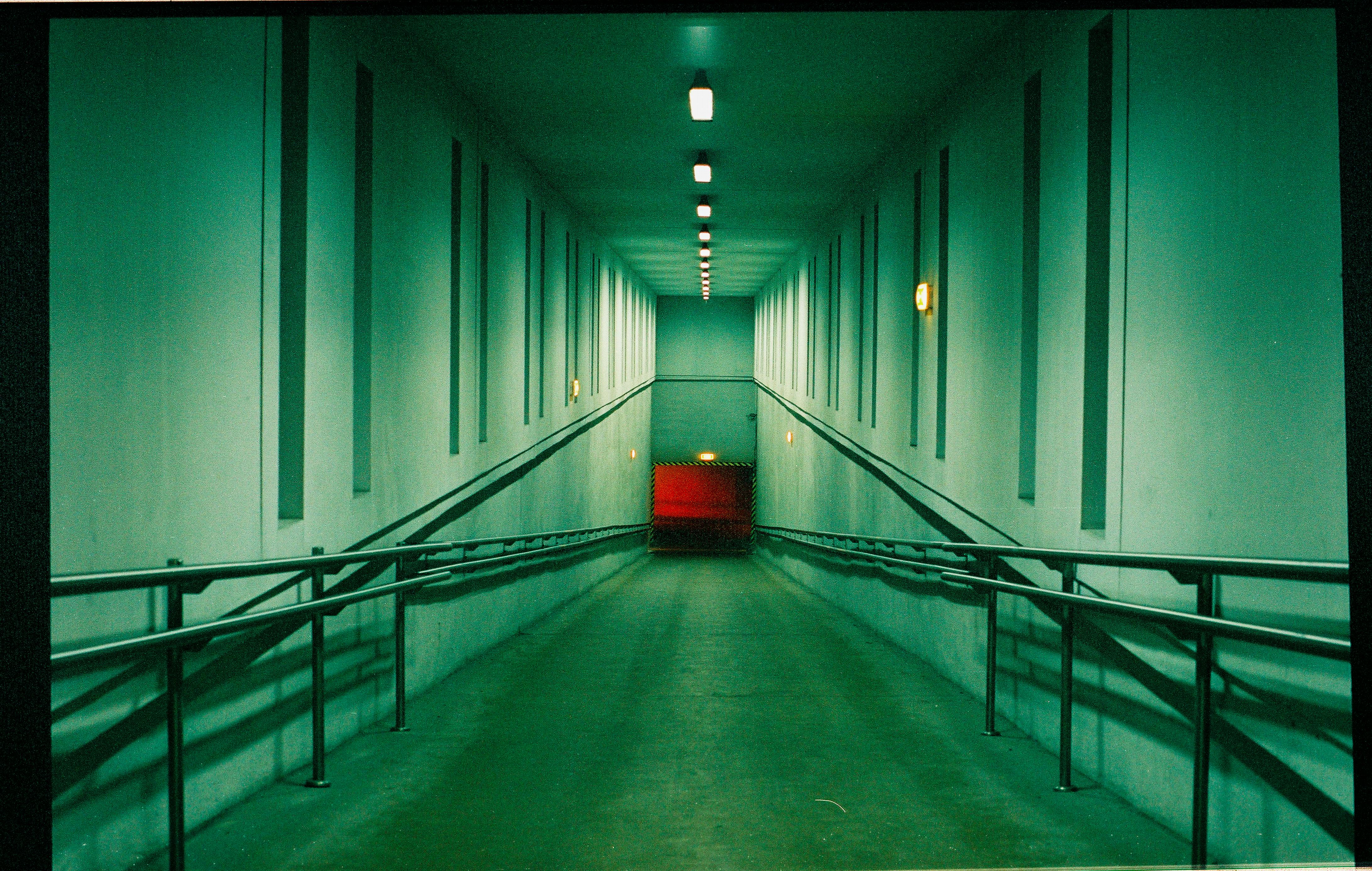
Spaces naturally create movement — corridors, edges, shadows, and transitions. When distractions are removed, these pathways become clearer. Light leads softly, shapes suggest motion, and the environment unfolds at its own calm pace.
I wanted to capture that experience — a visual journey shaped by stillness rather than speed. Every photograph in Visual Pathways invites the viewer to follow these silent cues and notice the beauty within intentional direction.
Extended Introduction
Visual Pathways explores the subtle movement of the eye through space, composition, and light. In a world filled with visual noise and constant stimulation, this project slows perception — inviting the viewer to follow lines, shadows, and forms with intention. Each frame becomes a guided journey to observe, to pause, and to connect. Through directional light, open spaces, and thoughtful framing, the series encourages a deeper awareness of how we navigate quiet environments.
This project goes beyond visual documentation; it examines how space guides attention, how light creates direction, and how still environments quietly shape the way we see and feel.
The Vision Behind the Project
How does the eye travel when nothing demands urgency?
Spaces naturally create movement — corridors, edges, shadows, and transitions. When distractions are removed, these pathways become clearer. Light leads softly, shapes suggest motion, and the environment unfolds at its own calm pace.
I wanted to capture that experience — a visual journey shaped by stillness rather than speed. Every photograph in Visual Pathways invites the viewer to follow these silent cues and notice the beauty within intentional direction.


Visual Pathways
Start by mapping the flow — identify natural lines, light paths, and movement in the space to guide your vision.
Ask the client about the mood, story, and which areas should guide the viewer’s eye to shape the composition.
Always prepare 2–3 alternate compositions to ensure the visual journey is clear and compelling.
Visual Pathways
Start by mapping the flow — identify natural lines, light paths, and movement in the space to guide your vision.
Ask the client about the mood, story, and which areas should guide the viewer’s eye to shape the composition.
Always prepare 2–3 alternate compositions to ensure the visual journey is clear and compelling.


Following the Lines
Working on Visual Pathways changed how I see the flow of space. Natural lines, light, and perspective guide the eye in subtle ways — each frame reveals a visual journey waiting to be explored. It taught me that movement doesn’t always require motion; pathways themselves tell a story of direction, rhythm, and connection.
This project is a reminder to observe carefully, follow the cues within spaces, and let composition guide the narrative naturally.
Following the Lines
Working on Visual Pathways changed how I see the flow of space. Natural lines, light, and perspective guide the eye in subtle ways — each frame reveals a visual journey waiting to be explored. It taught me that movement doesn’t always require motion; pathways themselves tell a story of direction, rhythm, and connection.
This project is a reminder to observe carefully, follow the cues within spaces, and let composition guide the narrative naturally.